Study in UK

The United Kingdom continues to be a dream destination for international students, offering historic universities, cutting-edge research, short course durations, and excellent graduate prospects.

ASFE Consultants has proudly helped thousands of students successfully study in the UK — from world-famous Russell Group universities to innovative modern institutions.

Location and Geography

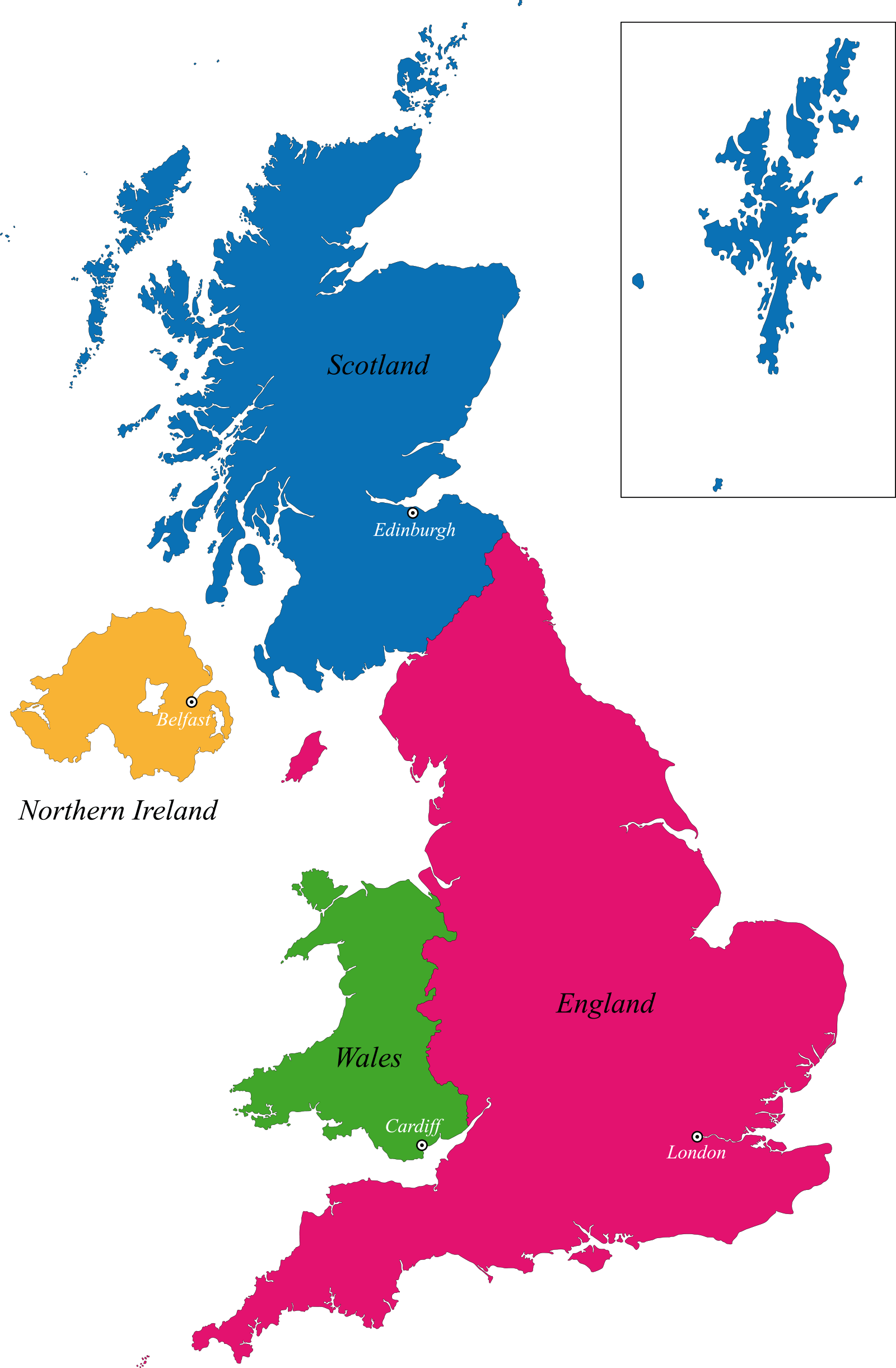
The United Kingdom consists of England, Scotland, Wales, and Northern Ireland, located off the northwest coast of mainland Europe. Key student cities include London, Edinburgh, Manchester, Bristol, Birmingham, Glasgow, and Oxford/Cambridge.

Five Quick Points About UK

Capital

London

Language

English, Welsh, Scottish form of Gaelic.

Official Currency

British Pound (GBP) £

Climate

Temperate; Moderated by prevailing Southwest winds over the North Atlantic Current; more than one half of the days are overcast

Time Diff.

London 4 hrs 00 min behind PST

Climate

Temperate maritime climate with mild summers (15–25°C) and cool, wet winters (2–10°C). Rainfall is frequent, especially in the north and west.

Economy

One of the world’s largest and most diversified economies — global leader in finance, law, creative industries, technology, health, and education. Very strong graduate employment rates in international companies.

Living Conditions and Cost of Living

High standard of living with excellent healthcare (NHS access), public transport, and cultural life. Monthly costs range from £1,000–£1,800 (significantly higher in London).

Education System

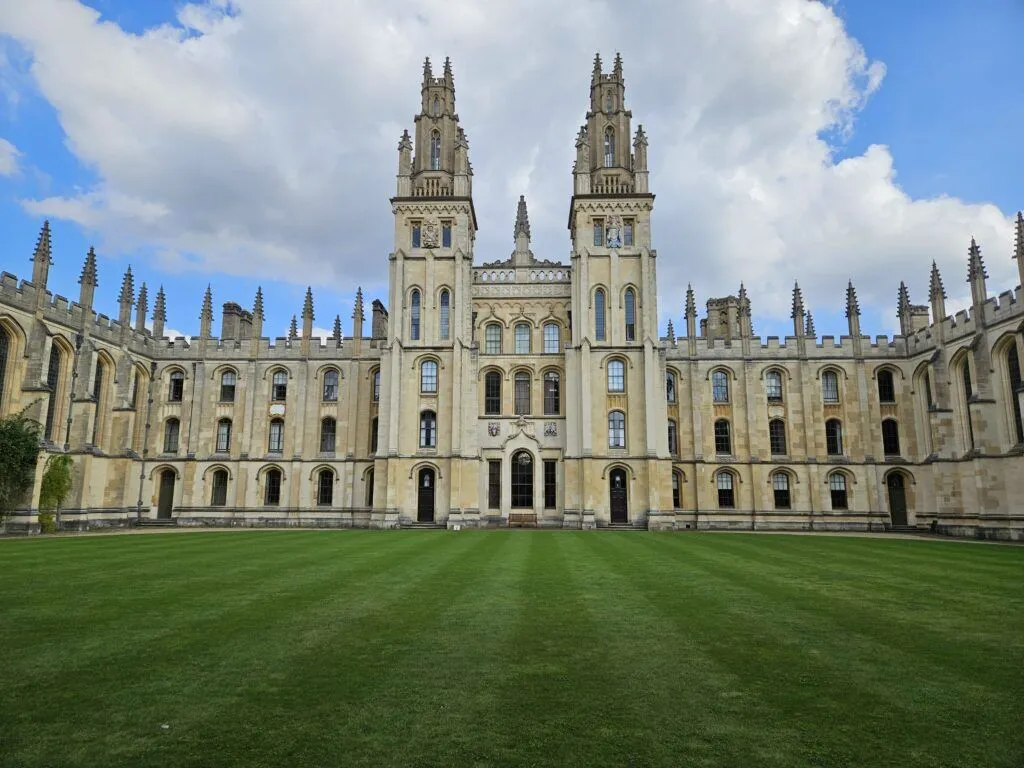
Home to some of the oldest and most prestigious universities in the world. Degrees are shorter (Bachelor 3 years, Master 1 year), research-intensive, and globally respected.


  • After 12th a student can go for 4 years of Bachelor degree or 2 years of Associate degree
  • After completion of Bachelors Degree student pursues Master degree, which is normally of two years duration.
  • After completion of Master degree one can pursue PhD, which may take around 3 to 5 years to complete.
  • Each U.K. College or university sets its own admission standards for admission of International students. U.K. colleges and universities usually base their admission decisions on a student’s academic records and applicable test records such as TOEFL or IELTS, SAT, LanguageCert,  PSI Skills for English (SELT) . If a student applies for graduate schools then additional exam scores like GRE or GMAT will be required.
education system

Required Tests

You may be required to sit on an English Language Test such as IELTS or TOEFL before the university will confirm your seat on the course. The IELTS is organized by the British Council and Computer-delivered IELTS results are available within 1–5 days (often 24–48 hours), while Paper-based IELTS results take 13 calendar days.

The minimum scores usually required are 6.0 to 7.0 for IELTS and 213 to 250 (CBT) for TOEFL.

For MBA programs in good universities, a good GMAT score is required, in addition to IELTS or TOEFL scores and work experience of 2-3 years, in addition to decent academic performance at the Bachelor’s level.

Top Universities & Popular Programs

University of Oxford, University of Cambridge, Imperial College London, UCL, University of Edinburgh, University of Manchester, King’s College London, London School of Economics (LSE), University of Bristol

Popular fields: Business & Finance, Law, Engineering, Medicine & Health, Computer Science & AI, Creative Arts & Design

Intakes & Application Deadlines

  • Main intakes: September/October, January/February (limited courses)
  • Undergraduate via UCAS: January deadline for September start
  • Postgraduate: Rolling — apply 6–9 months in advance

Why Study in the UK?

  • Prestigious universities consistently ranked among the world’s best
  • Shorter degree programs (3 years undergraduate, 1 year master’s)
  • Graduate Route visa — 2 years post-study work (3 years for PhD)
  • Diverse, multicultural society with global career networks
  • World-leading programs in business, law, medicine, engineering, arts & design
  • Part-time work allowed (20 hours/week during term)
  • Rich history, culture, and travel opportunities across Europe

Tuition Fees & Living Costs

  • Undergraduate: £15,000–£38,000 per year
  • Postgraduate: £15,000–£45,000 per year
  • Living costs: £1,000–£1,800 per month (higher in London)

Student Visa & Entry Requirements

  • Student visa (formerly Tier 4)
  • Requirements: CAS (Confirmation of Acceptance for Studies), financial proof, English test, TB test (if applicable), health surcharge
  • Processing time: 3–8 weeks

Work Rights & Post-Study Opportunities

  • 20 hours/week during term, full-time in vacations
  • Graduate Route: 2 years (undergraduate/master’s), 3 years (PhD)
  • Strong pathways to skilled worker visa

Student Life in the UK

  • Vibrant cities: London, Edinburgh, Manchester, Bristol
  • Historic campuses and modern student accommodation
  • Rich cultural life, festivals, and proximity to Europe

Information Specific to International Students

  • Over 600,000 international students annually
  • Graduate Route visa offers 2–3 years post-study work
  • Very multicultural cities with strong student support networks
  • Immigration Health Surcharge (IHS) mandatory
  • High emphasis on academic integrity and independent study

Steps to Apply

  1. Choose course and university
  2. Apply via UCAS (undergraduate) or directly (postgraduate)
  3. Receive offer and pay deposit
  4. Receive Confirmation of Acceptance for Studies (CAS)
  5. Pay Immigration Health Surcharge
  6. Apply for Student visa online
  7. Arrange accommodation and attend pre-departure briefing

Documentation to submit with your application:

  1. A valid passport
  2. A letter of unconditional acceptance for a full-time course from a College or University
  3. Mark sheets or Degree of previously joined exams Attested by IBCC and HEC
  4. Evidence of your financial ability to meet, without working in the UK, the costs of your course, accommodation and maintenance and to support any dependants accompanying you.
  5. Letters of recommendations are appreciated
  6. Statement of Purpose
  7. CV

Time of validity of the student visa to be received is usually determined by the length of your course of study. When you arrive in the United Kingdom, an immigration officer may question you, so don’t forget to take all relevant documents in your hand luggage.
How We Help You Study in the UK

  1. Expert university selection & application support
  2. UCAS & direct application guidance
  3. Visa & financial document preparation
  4. Pre-departure briefing & settlement support

Study in the UK
Your Path to Success!

Get a top education in the UK. Join great universities, explore exciting cities, and build a bright future. Apply now and start your journey!

Ready to Get Started?

Gain admission to the world’s top-ranked universities and take a life-changing step today.