Opportunities in Ireland for International Students
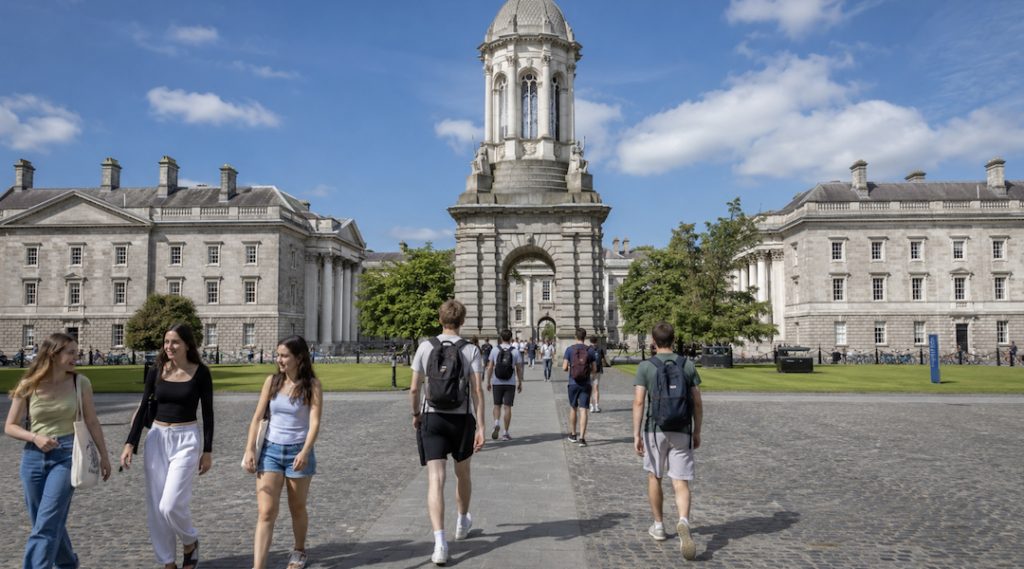
For international students exploring their next study destination, Ireland can offer a strong and distinctive opportunity.
It is an English-speaking country, a member of the European Union, home to respected universities and colleges, and closely connected to global industries including technology, pharmaceuticals, finance, healthcare, engineering, business and life sciences.
For students who are considering undergraduate or postgraduate study abroad, Ireland may offer something slightly different from the UK, Australia, New Zealand, Canada or the USA. It combines high-quality education with a smaller, more connected environment, strong international employer links and access to European culture, travel and opportunity.
This makes Ireland worth serious consideration for students who want an international qualification, a practical study route and a student experience that feels both ambitious and manageable.
Why international students choose Ireland
Ireland has become increasingly attractive because it offers globally recognised qualifications in an English-speaking setting. For students from Pakistan, India, the Middle East, Africa and other international markets, this means students can study in English, build international confidence and graduate with a qualification that may be useful across different countries and career paths.
Ireland also has a strong reputation in several high-demand fields. Students interested in business, data, computing, artificial intelligence, cyber security, engineering, biotechnology, pharmaceuticals, healthcare, finance, hospitality and environmental subjects may find strong course options across Irish higher education institutions.
The country’s scale can also be part of the appeal. Ireland is smaller than many other study destinations, which can make it easier for students to settle, build community and feel connected. Dublin offers the energy of a capital city, while places such as Cork, Galway, Limerick and Waterford can offer a different pace, often with strong student communities and lower pressure than some larger global cities.
Undergraduate and postgraduate study options in Ireland
Ireland offers a wide range of undergraduate and postgraduate courses for international students.
Students can apply for Bachelor’s degrees, Master’s degrees, research programmes, professional awards and other higher education pathways. The right option depends on previous qualifications, subject interest, English language ability, budget and career goals.
Postgraduate study in Ireland can be especially attractive for students who already have a degree and want to specialise. A student with a background in business may explore international business, finance, marketing, management or analytics. A student with a computing background may consider data science, cyber security, software development or artificial intelligence. A student from science or healthcare may look at life sciences, public health, pharmaceutical science or biomedical-related courses.
As with every study destination, the course title alone is not enough. Students should check course content, entry requirements, tuition fees, employability support, location and whether the course fits their longer-term plan.
Student visa and permission to study in Ireland
For non-EEA students who want to study in Ireland for longer than 90 days, the course must normally be eligible for student permission. This means choosing the right course and institution is important before applying.
Students may need to apply for a long-stay study visa before travelling, depending on nationality and circumstances. The process involves preparing documents, confirming admission, showing financial ability and following Irish immigration requirements.
Financial preparation is important. Students need to show they can support themselves while studying and should not rely on casual work to fund their stay. For one-year courses, the current student finance requirement is access to €10,000, alongside course fees and other costs.
This is one of the reasons students should get advice early. Choosing Ireland is not only about finding a course. It is about making sure the course, visa, finances and timing all work together.
Working while studying in Ireland
Many international students want to know whether they can work while studying in Ireland.
Students with valid Stamp 2 permission can usually work up to 20 hours per week during term time and up to 40 hours per week during specified holiday periods. This can help students gain experience, improve confidence and support day-to-day living, although work should not be treated as the main way to fund studies.
This is an important distinction. Part-time work can be valuable, but the student’s main responsibility is still study. Students should understand their permission conditions clearly and avoid working beyond allowed limits.
Post-study opportunities in Ireland
One of Ireland’s important advantages is the Third Level Graduate Programme. This programme allows eligible non-EEA graduates who have completed recognised Irish qualifications to remain in Ireland after their studies for the purpose of seeking graduate-level employment and moving towards an employment permit route where appropriate.
Graduates with a Level 8 award may qualify for up to 12 months. Graduates with a Level 9 award or above may receive 12 months initially, with the possibility of renewal for a further 12 months where conditions are met.
This does not guarantee employment, but it can create valuable time to seek graduate-level work, attend interviews, build networks and explore suitable career routes.
For international students thinking about career outcomes, this makes course choice especially important. The strongest decisions connect academic study with real labour market direction.
Lifestyle and student experience
Ireland’s appeal is not only academic. Students often choose Ireland because it feels welcoming, cultural and human in scale. The country is known for its creativity, literature, music, hospitality and strong sense of community. For students who want an English-speaking study destination with European access and a friendly student environment, this can be attractive.
Dublin offers international energy and employer connections. Cork has a strong student identity and growing industry links. Galway is known for culture and creativity. Limerick offers a practical, student-friendly environment with major education and employer connections.
Each location offers a different experience, so students should think carefully about lifestyle, accommodation, transport, costs, community and access to relevant career opportunities.
What students should check before choosing Ireland
Ireland can be a strong choice, but it will not be the right destination for every student.
Before applying, students should check whether the course fits their academic background, whether the institution is eligible for student permission, what the full cost will be, whether they meet English language and entry requirements, how the visa process applies, and what post-study route may be realistic after graduation.
Students should also consider accommodation early. Like many popular study destinations, Ireland can have pressure on student housing in some cities, especially Dublin. Planning early gives students more time and better options.
How ASFE Consultants can help
ASFE Consultants helps international students compare study destinations and choose the right pathway with confidence. If you are considering Ireland, ASFE can help you understand course options, compare universities and colleges, review your academic profile, consider costs, prepare your application and think through student visa or study permission requirements.
Ireland may offer a strong next step if you want an English-speaking education, European experience, career-relevant study and a welcoming international student environment.
Before you apply, speak to ASFE Consultants. Tell us about your current qualifications, preferred subject, budget and future goals, and we will help you check whether Ireland is the right study destination for you.